Active Travel Exmouth, Transition Exmouth and Exmouth Town Council have come together to organise and promote Exmouth’s first Active Travel Day on April 30th 10am to 4pm at The Strand, Exmouth
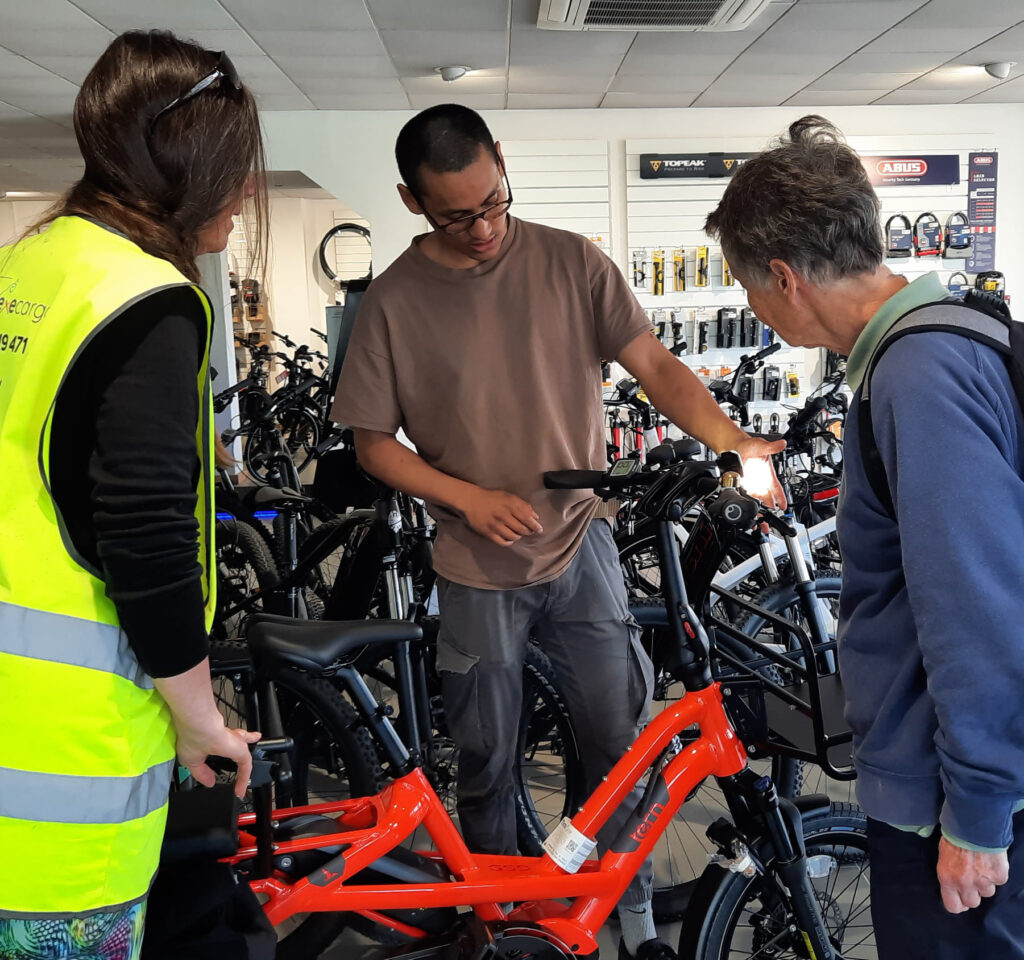
Stalls will include three local bike shops – Exmouth Cycles, Knobblies and RootsCycleworks – so there will be plenty of bikes and electric bikes to view or arrange to buy or to hire.
Also attending will be Sustrans the sustainable transport charity, East Devon Ramblers who organise walking groups, Stagecoach buses, Co-Bikes for electric bike hire and Newton Electric, a Devon company converting ordinary bikes into e-bikes.
There will be advice and maps for walking and cycling routes for getting around Exmouth avoiding roads.
Free bike-checks by Ride On from Exeter are available for anyone who wants to make sure their bike is roadworthy and safe. To book a half-hour slot for your bike-check, please visit https://tinyurl.com/353wwpua or phone 07950 222672
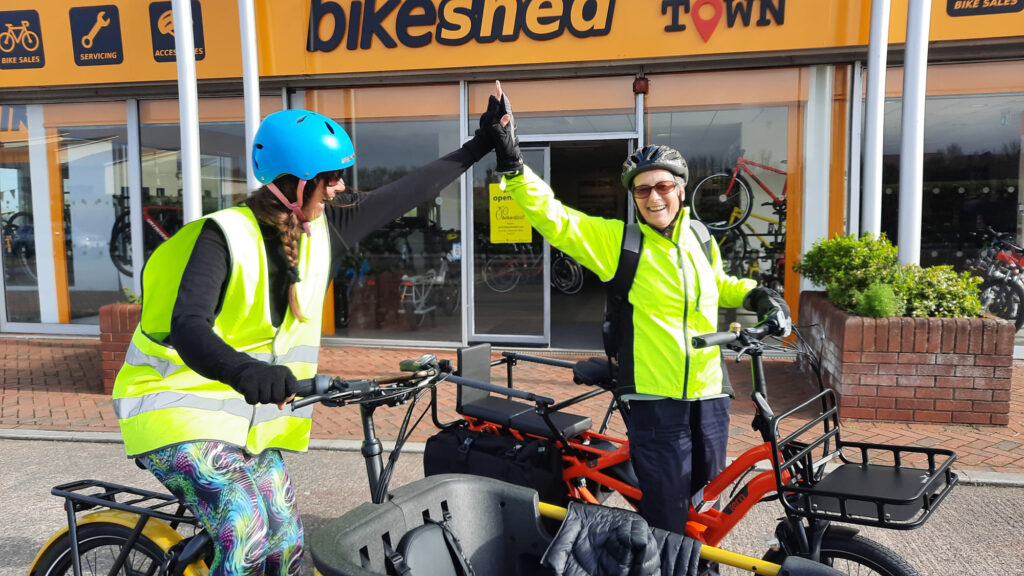
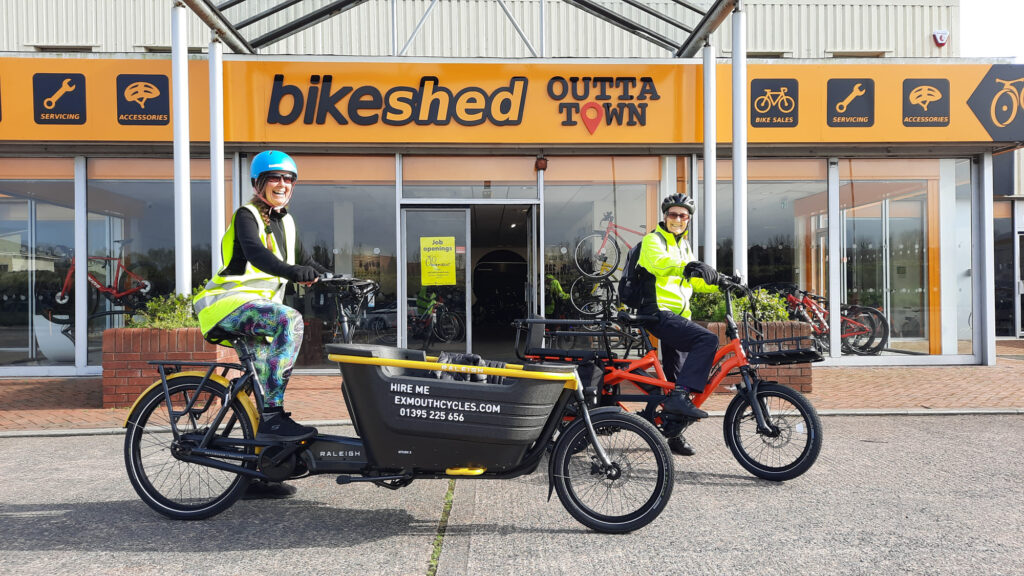
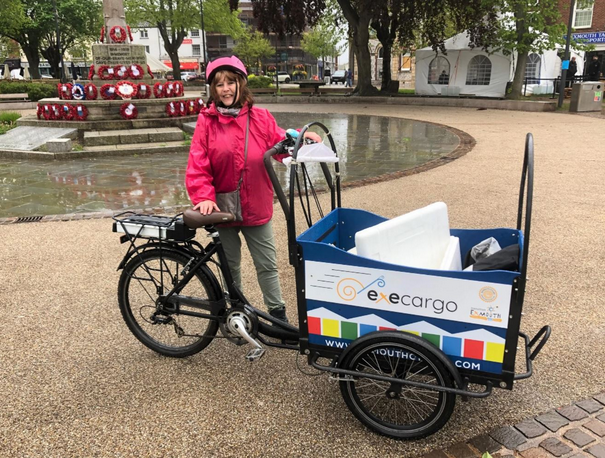
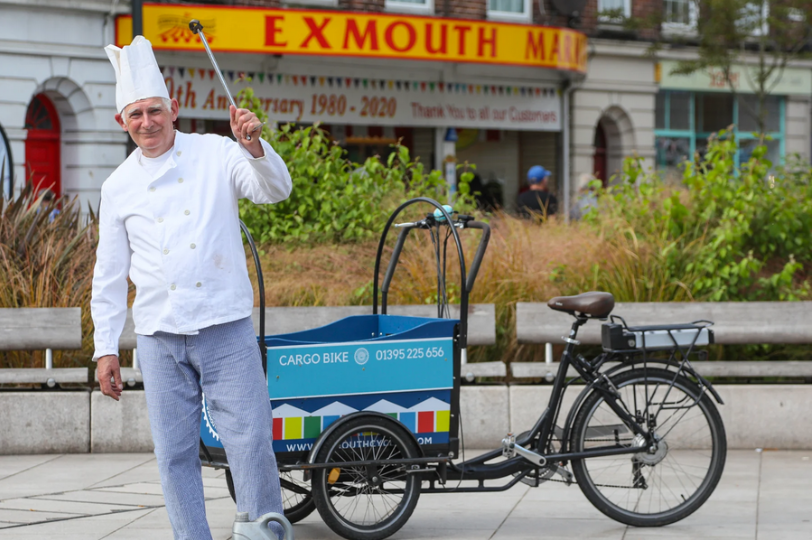
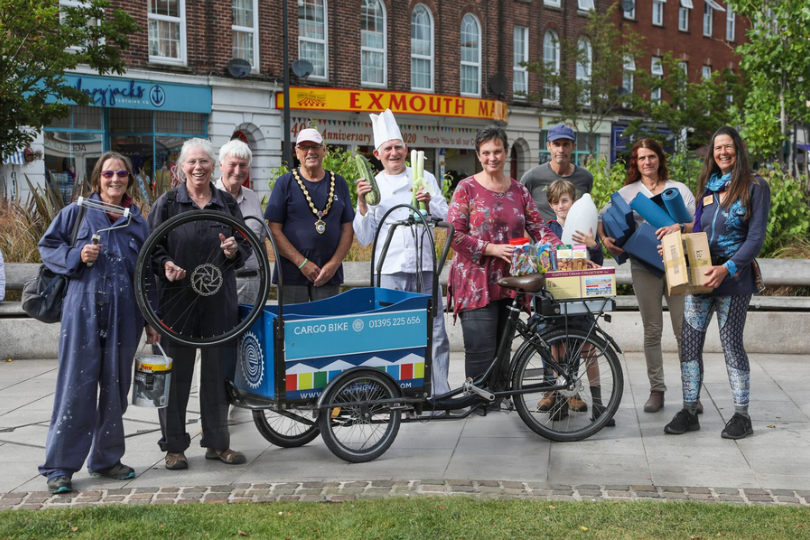
This event will also see the launch of ‘Execargo’ – Exmouth’s brand new e-cargo-bikes for hire.
Active Travel includes walking, cycling and using public transport -for healthy exercise and to reduce car usage.
Most people will find they can save money by cycling or walking short journeys instead of using the car.
Active Travel improves health, can save you money and is better for the planet!
The IPCC is the Intergovernmental Panel on Climate Change: the United Nations body for assessing the science related to climate change. It was created in 1988. Yes, really, 1988! The detrimental impacts of man-made climate change were known about back then, although it is only now, 34 years later – as our world starts to experience the impacts and we start to understand what is yet to come – that climate change has become a hot topic and is being taken more seriously. Every 6 to 7 years, the IPCC release reports about scientific, technical and socio-economic knowledge on climate change, its impacts and future risks, and options for reducing the rate at which climate change is taking place (ref 1).
So why do we care about the IPCC? Lets read that last sentence again – especially the part about the IPCC reporting on the impacts of climate change and providing options for reducing the rate at which it is happening: everything Our Place Our Planet stands for.
On 28 February, the IPCC launched their latest global report on the climate crisis. The report is a whopping 3675 pages. No time to read this? You and us both! Thankfully, Friends of the Earth (ref 1) provide an excellent summary of the latest report, which can be found here: https://campaigning.friendsoftheearth.uk/general-resources/what-latest-ipcc-report-tells-us
Last month’s IPCC report is a reality check that it’s going to get much worse unless we take urgent action to cut emissions.
The findings are clear; the climate crisis is here.
But the solutions are here too. And Our Place Our Planet is here to help you take small steps to help tackle this emergency. Take a look at the changes you can make today to help.
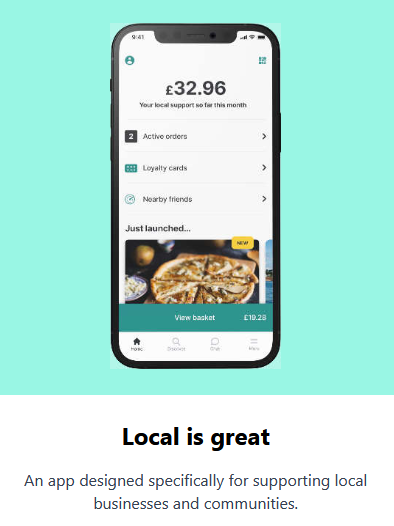
This months OPOP blog comes courtesy of Jim Hill at OrdaLoca, an exciting Exmouth based venture building a digital platform for local shopping and services. Whether it’s having someone deliver clothes to try on at home or getting a picnic delivered to you and your friends on the beach, you can order via the app knowing you are dealing directly with local businesses who are not being taken advantage of.
Local businesses are rapidly losing ground to online giants due to convenience, price and simplicity of use. Yet they have unique strengths that make them special: people, brand, location, experience and of course community.
Ordaloca fixes this. Using the app and website, customers get to shop locally with ease. Businesses and services join and get access to simple tools they need to operate locally for free. Our job is to connect, enable and get out of the way.
Why? Because local business is fundamental to local culture. It’s key to greener futures. And we want to live in places that are fun, interesting and connected.
You can read more about this exciting project using the link below. We are also very pleased to announce that Jim from Ordaloca will be giving next month’s Transition Exmouth Green Drinks 29-minute talk, at 19:30 on 3rd March 2022 at Sundowners on the Strand. We look forward to seeing you there!
November’s OurPlaceOurPlanet blog is courtesy of Transition Exmouth’s good friend Sarah Allen. Sarah has put together a wonderful eco-friendly Christmas gift guide, and shows that small changes can make a huge difference (as well as saving a few pennies!). We are introduced to the 7 really remarkable radiant rapturous rollicking resourceful R’s (OK I could only muster up 6. Sorry. The real 7 R’s are: Refuse, Reduce Reuse, Repair, Rot, Recycle and Return) along with some Christmas cracking (sorry again) eco-friendly gift ideas that means the only thing you’ll have to feel guilty about this Christmas is eating all those mince pies.
We are fundraising to buy an electric cargo bike for Exmouth. Local businesses, community groups and residents can use ExeCargo for deliveries, transporting sports equipment, doing the school run, or the shopping; the possibilities are endless! How could you use ExeCargo ?
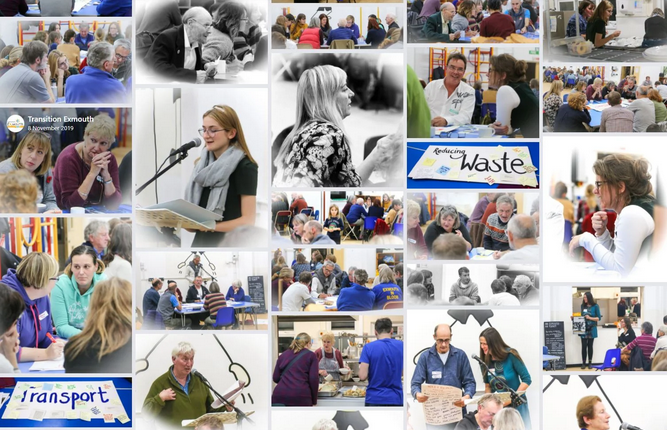
Transition Exmouth works with local charities, community groups and businesses, and sits on the Climate and Ecological Emergency Working Party of Exmouth Town Council, helping move Exmouth towards a zero-carbon future. The pictures above came from Our Exmouth Our Planet , a community brainstorming event held in November 2019. This is where the idea of a community ecargo bike first arose.
In December 2020, we launched a pilot e-cargo bike delivery project, with £500 funding from a Transition Network Bounce Forward National Lottery grant. Exmouth Cycles did us a brilliant deal on bike hire, Exmouth Town Council chipped in to brand the bike, and some amazing volunteers started pedalling. In March 2021 ExeCargo was born.
We learned a lot in the three month trial . ExeCargo did deliveries for 3 independent businesses (TotalTee , Mother Earth , & The Pet Stall at Exmouth Indoor Market) as well as food collections for Exmouth Food Bank. We saved a whopping 90,000 kg of carbon dioxide emissions, as these deliveries would otherwise have been done by petrol or diesel vehicles. Mother Earth told us, “ExeCargo is brilliant ! We don’t do enough deliveries to justify buying our own e-cargo bike , so being able to use this a couple of times a week is perfect”.
Having an e-Cargo bike for use by local businesses, groups and individuals enables them to make their collections & deliveries in a more eco-friendly way. There is long term potential for self-employed delivery riders to use the e-Cargo bike instead of a car. This project supports the development of the green economy in our town.
The pilot was so successful that we are now crowdfunding to buy our own e-cargo bike – or eventually even a fleet of them!
ExeCargo: the Future
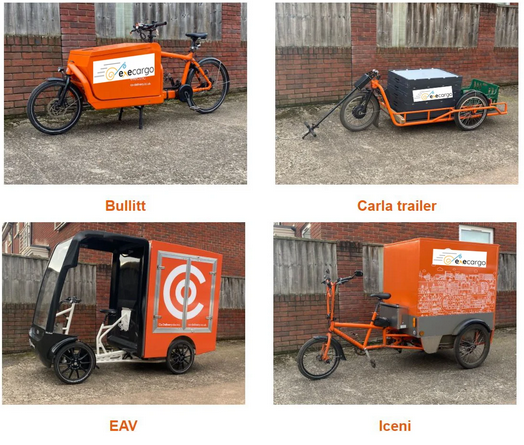
This is where you come in ! How could you use ExeCargo ? Here’s a range of e-Cargo bikes used by Co-Delivery in Exeter – which sort do you think we should buy first, and why? Eventually we’d like a fleet of community-owned ecargo bikes.
ExeCargo : Treble your money ! Funding opportunities
ExeCargo made a winning bid to #BackTheFuture: Devon Climate Challenge, which is why we are launching the Crowdfunder now. If we can raise £1000 from the Crowd by 8th October, Devon County Council will double our money. There’s more! We can get up to £5000 in match-funding from BackTheFuture over the next few months, as well as a 40% grant for e-Cargo bikes from the Energy Saving Trust . We just need a minimum of 30 people to pledge money by the 8th October to unlock all these opportunities. Please can you help us? It’s not every day you get the opportunity to treble your money 🙂
ExeCargo: Why a new ecargobike?
The trial 3 month period used a 10 year old e-cargo bike , which , considering the many hills in Exmouth, showed its age. A new-generation e-bike will have more power, built-in lights, and secure watertight storage. The original e-cargo bike has re-joined the stable of hire bikes at Exmouth Cycles for leisurely jaunts along the seafront.
Execargo: Where will it be stored?
Exmouth Indoor Market have kindly made a free stall available to Transition Exmouth. Our town’s Climate Action Network can put display materials here, run workshops and fundraisers and meet people. It will be the perfect charging place for the bike when it’s not in use, accompanied by advertisements for ExeCargo.
ExeCargo: Who else is involved ?
Ordaloca is a brand new app and website designed exclusively for local businesses and communities being built in Propeller:Exmouth (a not-for-profit co-working space with a community of start-ups, creatives and engineers in Exmouth). Co-Founder Jim Hill told us , “Our ambition is to provide a powerful utility for the future of running local businesses, and a part of that means creating the space for local e-delivery companies to use the platform too. So we’d love to get involved and help you out however we can with ExeCargo”.
ExeCargo: What’s in it for me ?
By helping us get ExeCargo pedals turning you’re contributing to building the local green economy, reducing carbon emissions, helping local community groups & independent businesses AND getting a share in our very own eCargo bike! You can use this for your own business or hobby, or donate the time to a community group. Everyone pledging gets free hire time with Execargo – how will you use yours?
Please support our project via our crowdfunder page, below, and by helping us spread the word about this amazing community project
Gardening is one of the great pleasures in life and one that has certainly grown in popularity during last year’s lockdown. According to DIY store Homebase the UK public bought 322 million more plants in 2020 compared to 2019. We, as a family, were certainly part of this trend. For years we had wanted to grow vegetables and herbs but had struggled to find the time. With everything closed and the need to stay safe and stay at home we suddenly had the time to start. We only have a small garden and put our raised beds in our front garden as the back is taken over by dogs and kids with all their associated toys and equipment. Plus the front garden is a sun trap, much more so than the rear.
As a total beginner we made loads of mistakes and had a few successes. I learnt that no one needs 3 courgette plants – it’s not physically possible to eat as many courgettes as 3 plants produce! Our strawberries sent out loads of runners, and we harvested about 4 strawberries last year but, as it is possible to grow strawberry plants from the runners, now we have 14 strawberry plants. I am anticipating a bumper crop this year. Tomatoes were a massive failure for us, they got blight or I managed to kill them slowly and hardly get any ripe fruits from them.
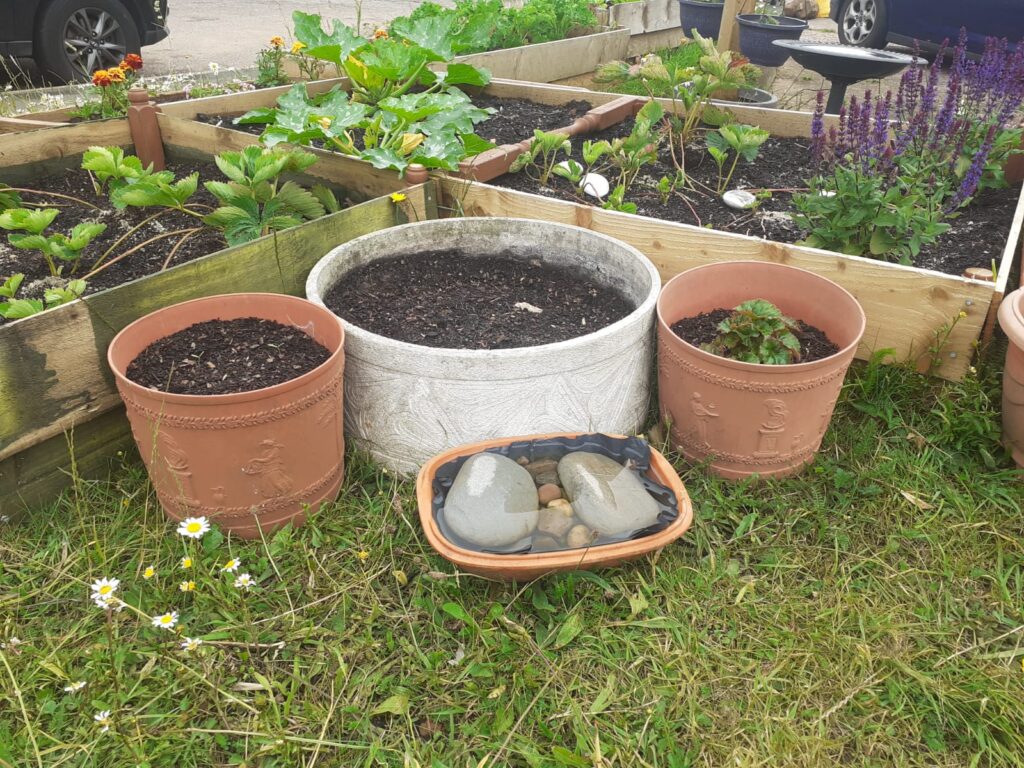
Tubs and raised beds, and watering station for critters.
We are a pretty eco-conscious family so what really mattered to us was growing in an environmentally friendly way that respected and enhanced our natural environment. We do have one big problem in our garden and that’s slugs. I wasn’t going to use slug pellets and didn’t fancy the idea of beer traps, so I turned to nematodes. They were really effective but I strongly suggest against googling how they work, I only hope reincarnation is not a thing and I never come back as a slug (think the film Alien!).
I did a lot of reading, watched a lot of Youtube videos and joined Facebook groups to get gardening advice and here are some things we did to make our garden nature friendly.
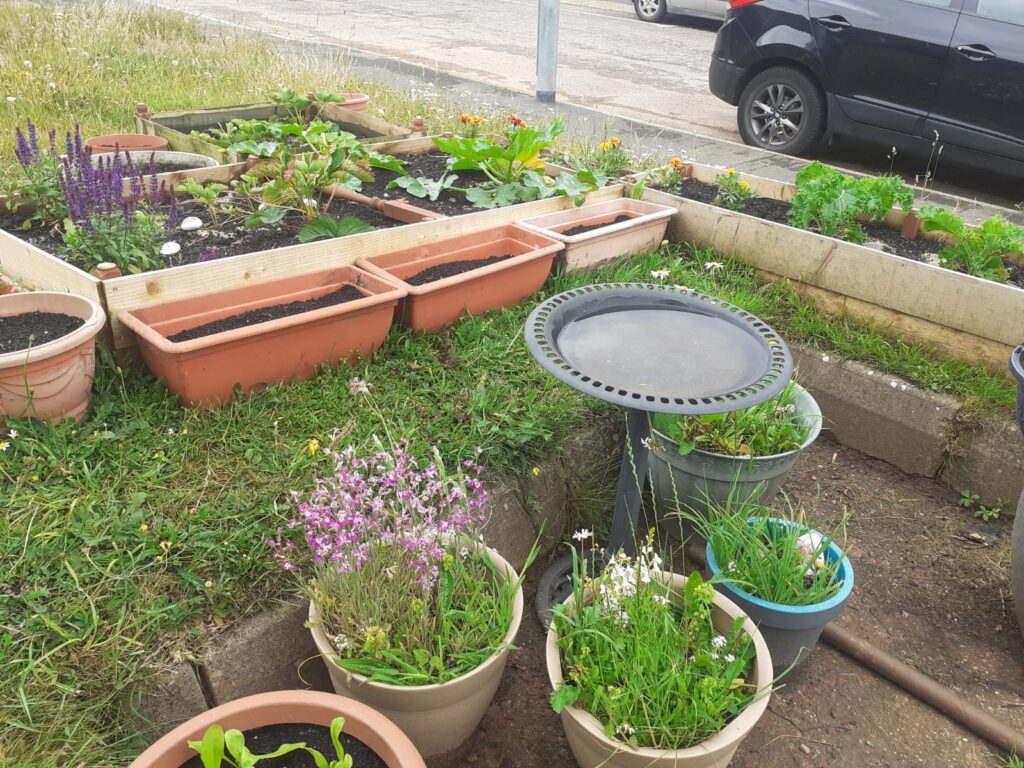
We set up a bird bath, it was one I found for free on Freecycle, it did have a slight split in it which I didn’t realise until I got it home but a bit of silicone soon sorted that issue. I love a good recycle, re-use! In the summer the birds go nuts over it and make such a racket splashing in the water, it’s a joy to watch. I also added a small dish of water at ground level, filled with stones, to let any critters that fell in, climb out. I hid this in some undergrowth and it provides a watering station on hot days.
Bird bath, raised beds and tubs
We don’t have a tap at the front of our house so we set up a water butt and use that water to water our raised beds. It’s so much easier than dragging a hose through the house, plus we are on a water meter! I also water less frequently but deeper as I was told this was better for root development.
We don’t use any man made fertilizers or pesticides. Instead, bought (locally, of course!) some home-brewed nettle and comfrey tea which stunk but the vegetables seemed to love it. I also used wood chips to mulch the beds and reduce water loss and over winter we used seaweed that I had rinsed off to protect and fertiliser the soil. By law you can take one carrier bag a day from the beach, so after we had a big storm I went and collected some from the tide line.
I make my own compost with veggie scraps from the house, grass clippings and a generous quantity of rabbit cage bedding from my neighbour. This will be our first year using the compost, and so far,it looks good and has tonnes of worms in (good for aerating the soil) and smells like compost. We have 2 compost bins which I bought cheaply from the reuse shop at the recycling centre.
I do use the principals of companion planting, this is where you plant other plants to protect your vegetable crops as bugs either don’t like the smell they produce or would rather attack that plant instead. I also accepted that as part of nature I will lose some of my plants and produce to the wildlife and I am ok with that.
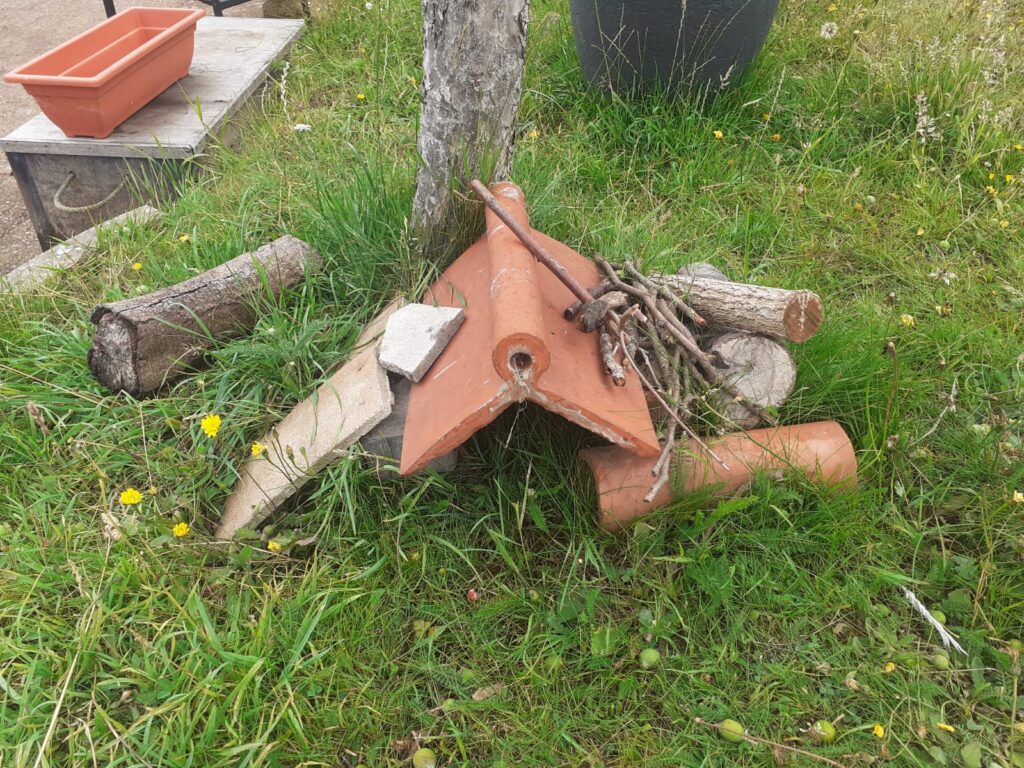
I try to encourage birds and wildlife to my garden so that they will naturally eat some of the pests such as slugs. To do this, I made a hedgehog home, installed a bug hotel and left a pile of rotting logs near the veggie patch to provide a habitat for beneficial insects.
Start of the hedgehog home
I have a bird feeding station set up in my apple tree and provide a range of bird foods from fat balls, to seeds to meal worms. The meal worms are certainly the most popular and I have barely gotten back to the front door before the birds start feeding. I couldn’t tell you what birds they are as my knowledge is limited but they are small and pretty noisy!
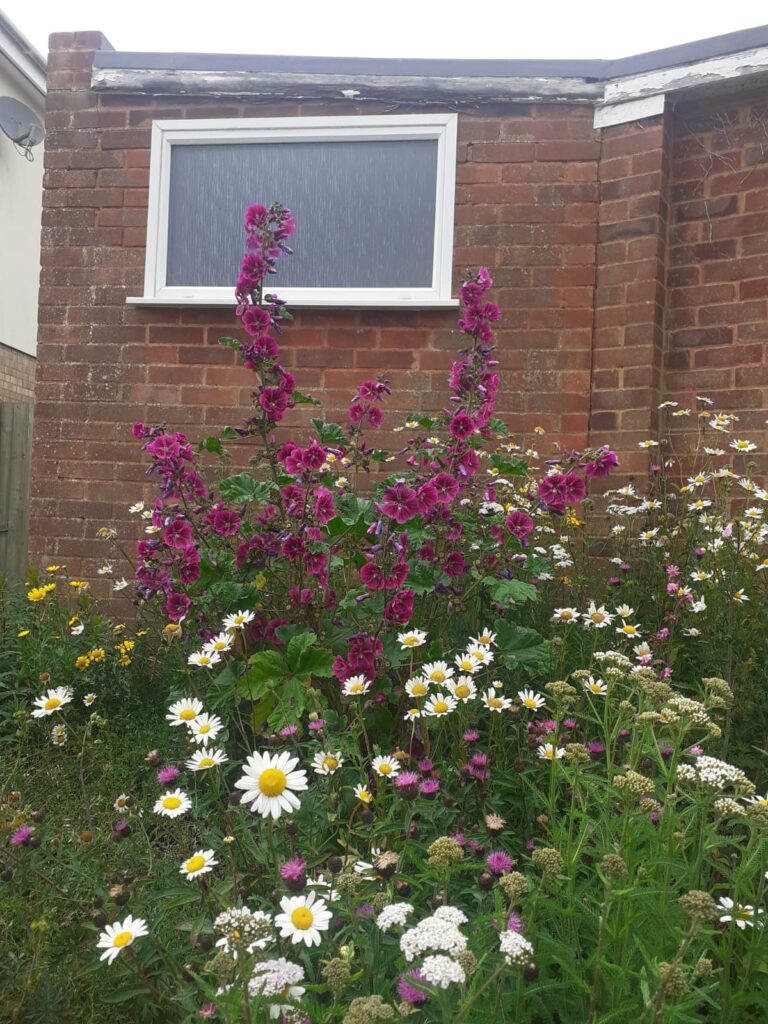
We also wanted to grow wildflowers to attract pollinators (love a bumble bee!). We have a small patch of scrubby raised bed at the side of our garage, and a few years ago we took off the grass and added some native wildflower seeds. I occasionally water the area if we have a prolonged dry spell but otherwise I do nothing to it and for 4 months of the year I am treated to a riot of colour. I couldn’t tell you which varieties they are but they are all beautiful. I also bought some big garden pots and tubs from the resale shop at the recycling centre and planted those with wildflower seeds, they brighten up our boring concrete driveway a treat.
Wildflower patch
All of this was achieved on a budget and many items we were able to get very cheaply or even for free. We grew a lot of things from seeds and used the seeds we got free with a gardening magazine. We will use the seeds from this years crop to plant next years crop – the cycle continues! We also bought small plants from local growers who do this to raise funds for a charities they support. We learnt a lot and had some epic failures and some great successes – remember the courgettes!
It has really sparked our interest and both me and my husband have undertaken an online Square Foot Gardening course to learn more and now practice no dig gardening as this is better for the soil structure as it causes less damage and doesn’t promote weeds in the same as way double dig gardening methods, plus its easier and less back breaking! Due to a lack of space we had to use our front garden but it’s so much more interesting than boring grass.
Potting on.
Perhaps vegetable gardening isn’t for you…if so, I strongly encourage you to try No Mow May instead This is exactly as it sounds: from the 1st of May don’t mow your lawn. The aim is that we let the natural wildflowers which some people may call weeds grow in our grass. These wildflowers are an important food source for pollinators in the bee hungry gap, which is the time frame between tree pollen being available and the other plants, wildflowers have traditionally filled this slot.
This is being arranged and coordinated by Plantlife who are running the campaign. . You can also take it a step further and help Plantlife with their aim of understanding how many bees and other pollinators our UK lawns can feed and support. To do this there are 3 simple steps to follow:
Measure a 1 meter quadrant
Count how many flowers are in that quadrant
Then submit your survey results
For all the information go to the Plantlife No Mow May (plantlife.org.uk) and they even have a handy video explaining what to do and how to do it. Then in just a few weeks you will have grown your very own mini wildflower garden; it’s that simple! The plants are already there they just need a chance to grow.
We love our house and intend to stay here forever. It’s the perfect size for our growing family, we live in a lovely area and have great neighbours… But my word it is cold and draughty!
The original house was built at some point in the 1960s and has all the features you would expect from a house of that age, including big windows and hung tiles on the front exterior. About 30 years ago (late 1980s) someone added a new extension, literally doubling the size of the house. The newer half of the house is noticeably warmer than the original as building regulations made stipulations around insulation levels.
When we moved into this house the previous home owner had done a lot of work, it was a beautiful house with a nice kitchen and bathrooms. However our main concern is how energy efficient the property is. In the UK housing accounts for approximately 18% of UK carbon emissions. This figure has dropped over the last 10 years due to decarbonisation of the energy grid; coal fired plants being replaced with mainly off shore wind farms, along with biofuels and nuclear making up a great percentage of the mix.
Only 29% of houses have a SAP (Standard Assessment Procedure) score of C, the SAP score of the property is a measure of its energy efficiency and takes into account things like double glazing, age and efficiency of heating systems, levels of insulation and lighting type. Every house must have a valid SAP score certificate if it is to be rented or sold, these certificates last for 10 years. A recent report has noted that in order for the UK to meet its pledge of net zero by 2050 then all houses will need to meet this level. Our current house was SAP score D when we moved in, not too bad right? NO. It is freezing, there are draughts everywhere, the windows are leaky and over 25 years old. Half the house had a decent level of loft insulation, the boiler was pretty new and there were energy efficient light bulbs so this bumped up the SAP score.
You can check your SAP score for free and it will even list the improvements needed to raise the score and the approximate costs and paybacks. The report will direct you to possible sources of grant funding, work out what your expected breakdown of energy use is and what potential savings in kWh of energy you could expect. I recommend you take a look.
Look at those solar panels lapping up all that sunshine!
So we decided to embark on an eco-renovation of the house, to save CO2 and make the house more comfortable. The first thing we did was install a wood burner. I know this is a contentious issue and some environmentalists feel that we should move away from wood burners but for us, it was about more than the heat. It gives such a lovely atmosphere and in the winter we have one warm room, which in turn reduces the heating in the other rooms. In keeping with my eco credentials I managed to buy a virtually new stove 2nd hand.
The next step was to look at our double glazing. The previous owners had installed new windows on the back of the property which are in reasonable condition but on a windy night the wind whistles through the gaps in the older window frames, we have mould growing at the edges and the panes have got condensation between them. Far from ideal! We have received a quote to get the 10 older windows replaced, from a local company who buy their glass from Exeter and the frames are made in Torquay, so all nicely local, and will get this work completed in the next couple of months.
Our house is mainly run on electricity, we have an induction hob, electric shower, electric oven and of course electric lighting. We have a fairly new gas boiler which runs our central heating and hot water from the taps. We are fairly frugal when it comes to using our heating, I am a big believer in putting another layer on before you put the heating; if you can bend your arm, you don’t have enough layers on! We all have slippers, gillets that we wear indoors and have ultra warm pjs.
We decided to invest in Solar Photovoltaic (PV). This was a big cost, at just over £7500 for 14 solar panels and 5 kWh battery storage. The pay back period should be 10 years and over its expected lifetime of 25 years it should save us £26,000 in bought in electricity costs and generate £2352 in income from selling the excess energy we make and cant use. The 5 kWh battery storage system increases our use of self generated energy from 60% to 75%. Per year we are likely to save 1.32 tonnes of carbon and a whopping 30 tonnes over 25 years.
We used local firm, 4 Seasons Heating and Cooling; they were great and I can personally recommend them. In January, they carried out an initial site survey, and the work was scheduled for 6 weeks later. The team on site were efficient and hard working. They explained how everything worked, and even got us set up on an app so we could monitor what we were using. Bring on the sunshine!
The next phase of our eco-renovation is to sufficiently insulate the house. We plan to do this ourselves. Half the roof is boarded out, so this will be a big job in itself – let alone the fact that our attic is full of stuff! About 25% of heat loss occurs via the roof and as insulation should last 40 years, this is something that will payback many times over. It’s likely to save in the region of £150 per year in heating costs, save 610kg of CO2 for a cost of £300. What’s not to like! The recommended level of mineral wool insulation is 270mm. Do you know how much loft insulation you have? If not, go on, get that ladder out!
Another step to take is to draught proof. Along with loft insulation this is the most cost effective measure you can take. When we replaced our dishwasher we noticed some massive holes around the water pipes, so a first step to draught proofing is to fill those and get the front door adjusted as the wind whistles in through that.
We are getting a quote to replace the concrete hung tiles on the front of the house. This will involve replacing the old and likely degraded insulation which is 60 years old with Celotex, a rigid sheet type of insulation. On the external feature, we will add weather boarding, which not only will have update the look of our house but importantly provide an additional layer of insulation. Again like the rest of the eco-renovation projects, this wont be cheap! In total we are likely to spend around £25,000 on the renovations to our house – a massive amount of money and something we have been saving for, for a long time. This may seem like a lot of money – and it is! To put it in perspective, it is a sum similar to what people would spend on a nice new kitchen – but in this case, the comfort and ambience of our home will be greatly enhanced by things we will feel, rather than see. These eco-renovation projects are not something we would consider if we weren’t going to stay in this house for a long time. The UK energy infrastructure is creaking with costs likely to increase, so part of these projects is looking at ways to reduce our dependence on the centralised energy network. The costs of these works has come down in recent years and, as more people choose to do this, the costs are predicted to fall further making it more accessible for everyone.
Written by Catherine Causley, on behalf of Transition Exmouth
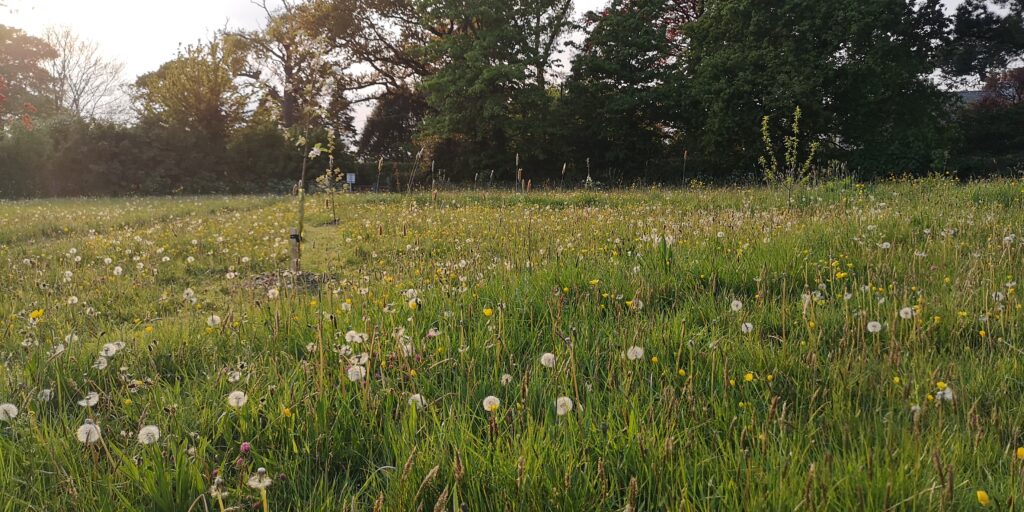
How lucky we were to be able to plant our orchard on top of the hill, in the meadow beside the chapel, overlooking Exmouth and down to the estuary, helping to create a pollination route between the river and the countryside beyond. Watching it grow through the last four seasons has been a genuine thrill.
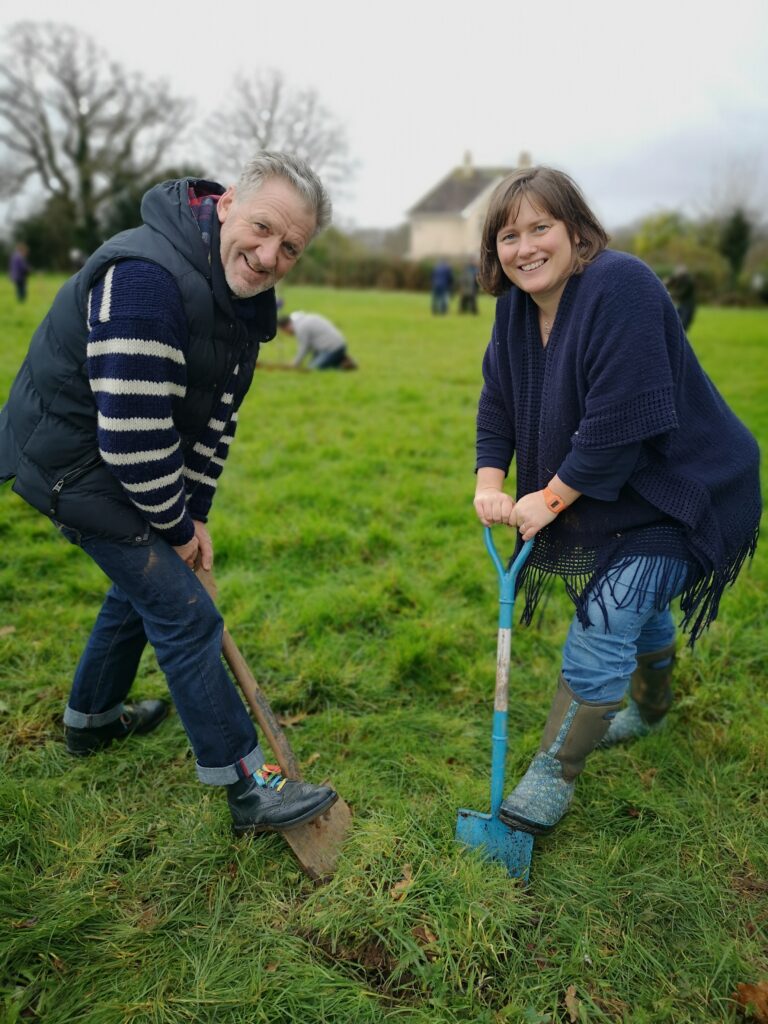
Nicky and husband, Martin, getting stuck in.
The day of the planting was a wonderful experience – linking up our little Point in View community with Tim from Wild Exmouth and Anne-Marie, Simon and others from Exmouth Tree Project, digging into the earth, planting, staking and watering every little sapling… and then eating soup and singing. Simple pleasures of life. We planted 22 trees and I’m pleased to say that all 22 are surviving and thriving.
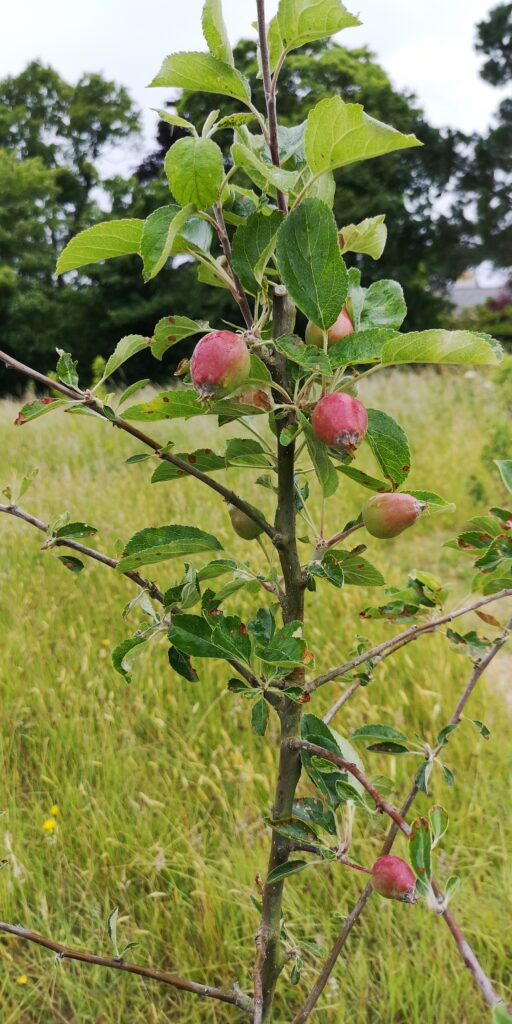
Among the 22 are the Duke of Devonshire and the King of the Pippins – along with seven other varieties of apple, Lord Burghley the desert apple, Reine Claude Verte the greengage, and several types of less amusingly named pears. With a warming climate in mind we added in two apricots too.
How do you like ‘them apples!
It was a hot summer so we kept on top of tree watering and mulching (adding a pile of bark chippings around the base of the tree to improve the health of the soil and reduce grass growth). We cut pathways between the trees so that the meadow grass didn’t steal all their nutrients. It provided a lovely place to meander in the sun and to pick dandelions to make experimental dandelion honey (labour intensive but delicious)! All the trees blossomed, with the exception of the apricots. They’ll need a bit longer.
Summer gave way to autumn and some of the apple trees had produced small fruits. It was hard (emotionally) to knock them off, but the trees needed all their strength to get through their first winter on the hill. And what a winter it has been! So many storms, high winds and no shortage of rain. I walk through the orchard every day and give the trees my words of encouragement and an occasional rub of support (I have actually become a proud tree hugger!).
The beautiful meadow
And now spring is around the corner, the trees aren’t quite budding but they have a definite sense of promise in their young branches; the tips of each have swollen a little. I’m excited for the weeks and months ahead, and for the years to come when the fruits of our labours will be relished and enjoyed by insects, birds and human beings alike.
Words and photos by Nicky and Jess Nicholls. Contact transitionexmouth@gmail.com if you would like to know more or even get involved!
In January we decided to join the estimated 500,000 people going vegan for a month. For my family the main driver was the environmental impact of the food we eat. Meat production has a huge impact on carbon emissions, water use and animal welfare issues. The food we eat contributes to about 1/3rd of our individual carbon footprint, the food part is equivalent to about 3 tonnes of CO2 per person, per year.
There are some stark figures involved and it does depend a great deal on where individual products are produced. Any food item that has been air freighted will have a huge carbon footprint (think grapes from South Africa, Strawberries from Morocco or Green beans from Kenya). The carbon footprint of beef quadruples if it has been imported – and it was already pretty hefty to start with!
As a family we have been reducing our meat consumption over the last few years. We rarely eat red meat and especially not processed red meat as this is more likely to be imported. If we do on occasion eat red meat, we source it locally and it is usually reared within a short distance of our home. Verseys the butcher sell meat from Honiton and Cullompton.
We do eat chicken and that is also pretty problematic. The high welfare standards that are so lauded by supermarkets aren’t really that great. It is something I have witnessed during time working in the meat industry but I try to block it out as the reality is pretty shocking. For years, due to environmental reasons, we have not eaten fish apart from the occasional fish finger. This is in part due to 48% of the ocean plastic is in fact from the fishing industry and the decline of fish stocks due to overfishing.
I don’t eat eggs because I don’t like them but the rest of the family does, so I always buy the highest welfare ones I can find. My son has eczema so we have massively reduced our dairy consumption over the last year, as it triggered flair ups.
I am lucky – I love cooking and have children that enjoy vegetables and they aren’t particularly fussy in what they eat. My 9 year old daughter’s favourite food is brussell sprouts!
I originally trained to work in the food industry and my course covered nutrition, so I had a basic understanding about amino acids and how to food combine to ensure that you received all the plant based protein you need. Plus I joined some Facebook groups with some very helpful people who happily shared their recipes and experiences with me.
Catherine and kids “branching out” with Veganuary.
The thing I struggled most with was the mindset, I was brought up to believe an evening meal consisted of a protein, some form of carbohydrate and 2 veg on the side. So rethinking what a meal consisted of took some effort – I couldn’t just trot out my time tested family favourites that I could cook on autopilot. One day after a particularly stressful day of home schooling and working for 7 hours my brain just could not decided what vegan meal to cook so we had beans and chips. The kids loved it but at that point I decided to be a bit more organised and batch cook some meals for the freezer for days when I just couldn’t think of anything!
We get a weekly organic veg box but I soon realised that just wouldn’t cut it, so a trip to the local farm shop was needed. Then I went to the supermarket so I could stock up on lots of canned beans and pulses. Many of my favourite recipes I just adapted; I made a cottage pie using green lentils and beans to replace the beef mince, everyone loved it and said that they preferred the meat free version!
All the big supermarkets have a large stock of vegan foods and I found many fake meat replacements. We never really eat chicken nuggets as they taste like cardboard but I found some vegan ones in Tesco… they still tasted like cardboard but they were a hit with the kids who liked them on a salad or in a wrap. I also tried Jackfruit, that was really nice in a spicy tex-mex style sauce. I tried tofu for the first time, I marinated it and fried it before adding it to Chinese and Mexican dishes. Yoghurt is something my son has missed and we tried soya, flavoured yoghurt, which he really liked and it was great for a quick breakfast or pudding with some fruit.
My one epic fail was vegan cheese. I was forewarned by the experienced vegans that whilst it has come on leaps and bounds in the last few years you need to give your palate a chance to adjust. It all tastes like a cross between coconut and feet and is not something I would recommend but after a while I have lost my desire to eat cheese. At first it felt like an enormous sacrifice but after this vegan experience I will severely limit my intake.
After a couple of weeks I was struggling to come up with new recipes, so with a substantial new joiner discount I tried one of the meal delivery food boxes which was a great way of trying some new meals. They had 5 plant based options and I picked 4 meals to try, 3 were a massive hit and I will certainly be making them again.
No chickens were harmed in this take on a cheeky nando’s! Marinated and seasoned tofu served with spicy rice. All reports confirm: “it was yum”.
I am really glad that we decided to try this. I can’t say that my diet change has led to a spike in energy levels or feeling massively healthy, but our fruit and veg consumption has gone through the roof and by default we have reduced our saturated fat intake and eaten a great deal of healthy legumes.
As a family we have decided to go vegetarian after this month. I just found the vegan diet too restrictive at this point. Not being able to cook with eggs to make family favourites such as Yorkshire puddings was a step too far for us at this time. However – I do know we will not go back to eating in the same way as we did before. We got to try some new ingredients and recipes, many of which have become family favourites.
In order to reduce our carbon footprint we all need to look at our diets and this has certainly been an experience. It has led to lots of dinner time discussions about our diet and how we can be more sustainable in our daily lives.
If you want to reduce your carbon footprint, the food you eat is a pretty easy way to start. If a full on vegan diet isn’t for you, maybe just try to incorporate more plant based meals into your diet. And hope vegan cheese improves.
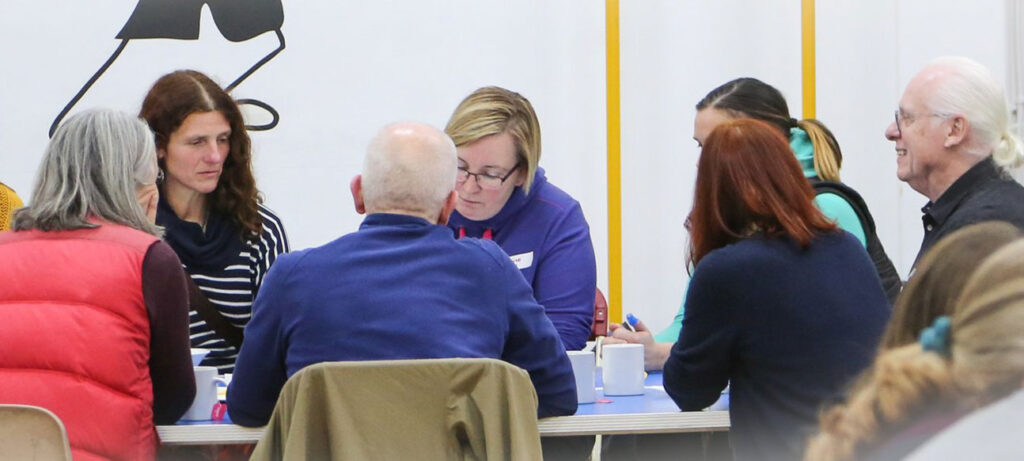
Our Exmouth Our Planet was a brainstorming networking meeting held in November 2019, attended by 96 people including representatives of the Town, District and County Councils and over 50 local groups. We came up with hundreds of steps we could take towards a more planet friendly future. Transition Exmouth became advisors to the Town Council climate action working group, and helped come up with a 10 point list of initial Climate Actions.
One was to fund a website showing Steps people can take towards a carbon Zero future (it’s all about taking one step at a time) and then share it from the Council Homepage , and in a footer on all Council communications. To really help build a sustainable local economy, links to local businesses and groups who can help with each Step were proposed as part of the website.
The Full Council said Yes in December 2019.
Then of course we all looked at each other wondering where the big know-all expert was, who was going to come along and write this website for us. Guess what? We didn’t find one.
None of us felt that we had the over-arching knowledge , skills, contacts or time to put this together. Then covid-19 hit, and we all had to start learning different technology, different ways of working together.
Jen Gale did the Sustainable-ish Online Festival. And we saw loads of people like us getting on with stuff, and sharing what they know. With the Sustainable-ish Festival playing in the background as we did our lockdown clean-up, we realised that we don’t have one big expert in our group who knows All about Everything… and we do have a lot of people who care deeply about our planet, and who are each expert-(ish) at something. Our festival pledge was to get this website happening. None of us could write it single-handed, but we started setting up the website structure on google-docs.
“Who wants to make a start on the Steps for Nature ? Transport? Waste? Food? Energy?” Everyone was happy to chip in on a topic dear to their heart, and then comment and expand on everyone else’s work. We all learned a lot along the way – and there’s lots more to learn.
The OurPlaceOurPlanet.org website now features 25 First Steps (5 things we can do tomorrow for each subject, such as order a veg box) and over 50 Next Steps (things that take a bit more organising, such as setting up a walking bus to school). There are links to 100 local Exmouth groups and businesses who can help with each step, and a couple of hundred inter/national links.
All those Councils who declared a climate emergency last year are now keen to show they’ve actually done something – sharing OurPlaceOurPlanet.org from the Council homepage is an off-the peg action which reaches their whole community, even people who don’t identify as green.
The Local Links idea felt too good to keep to ourselves, so the website was built with the option to select any Place. The inter/national links are relevant to anyone, anywhere in the world. Local links to other Places can be added using a simple table, and we are really excited to see who will be the next Places make the website their own. It’s just a matter of filling in what’s going on in your place… maybe something you and your friends could do over a cuppa, or over the winter?